
Print in a Digital World: Why It Still Makes an Impact
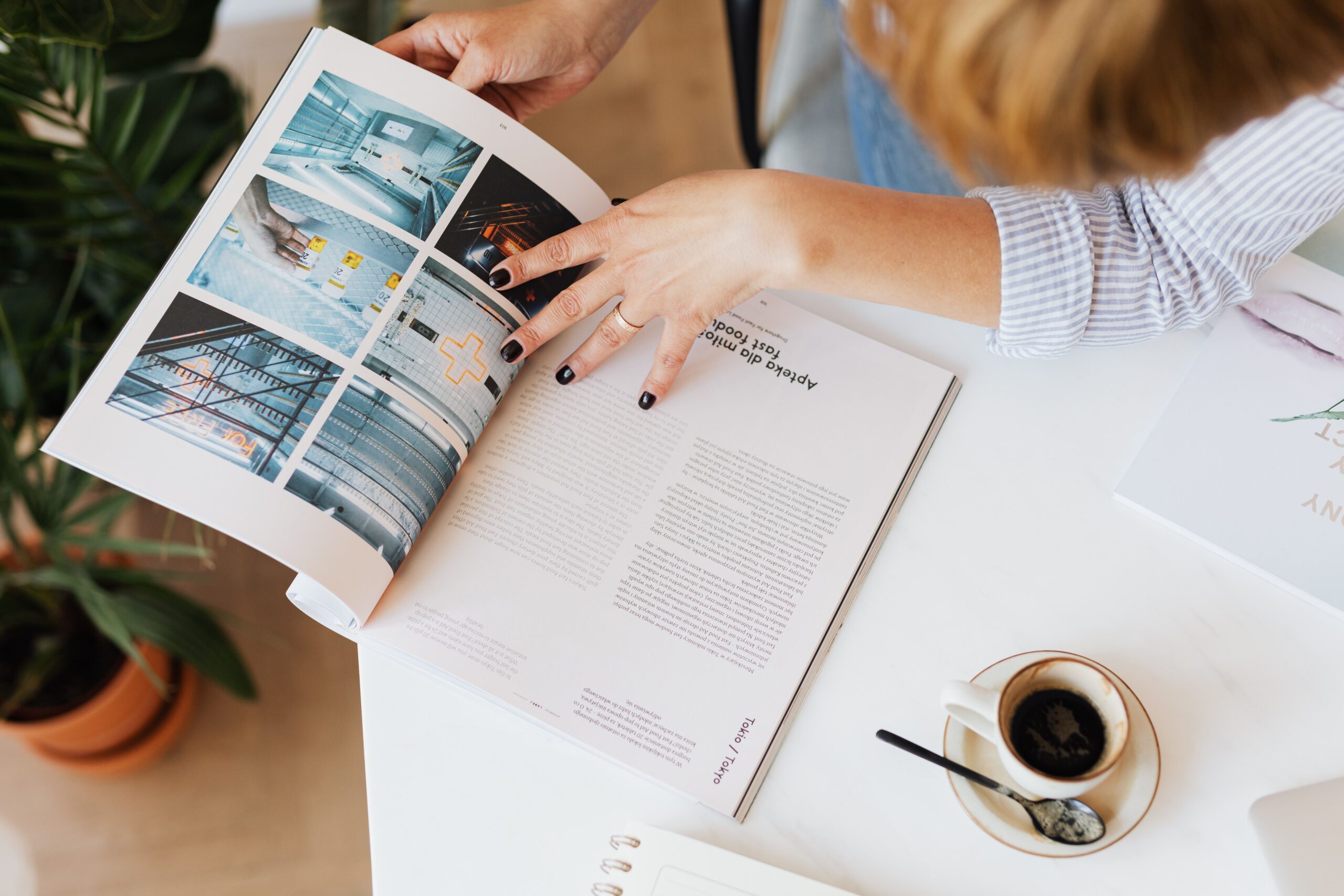
We spend more time looking at screens than ever before. Emails, social media, online adverts and websites are all competing for our attention, often at the same time.
With so much communication now happening digitally, it would be easy to assume that print has had its day. But in many ways, the opposite is true.
Because we see so much digital content every day, a well-produced piece of print can stand out more than ever.
Print gets noticed
Think about how quickly you work through your inbox or scroll through social media. Most content gets a few seconds of attention at best.
Print is different.
When someone picks up a brochure, magazine or piece of direct mail, they’re more likely to spend time with it. There are no pop-ups, notifications or other tabs competing for their attention.
A good piece of print gives your message a bit more space to breathe.
There’s something about holding it
Paper choice, print quality and finishing can completely change how something feels.
A heavier stock can make a brochure feel more premium. Foiling, embossing, specialist finishes or even the texture of the paper can add something that simply isn’t possible on a screen.
Those details matter, particularly when the quality of the finished piece reflects the quality of the brand behind it.
It’s the difference between seeing something and actually experiencing it.
It can make a brand feel more credible
Digital communication is quick and convenient, but it’s also very easy to produce.
Print takes a little more thought.
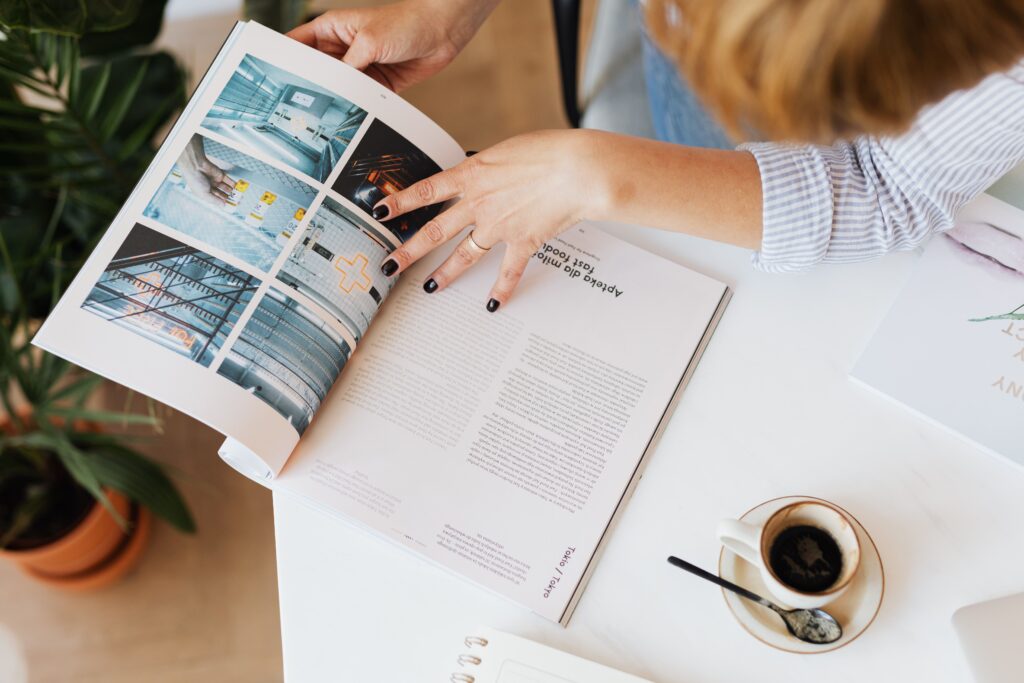
A well-designed annual report, brochure, magazine or event programme feels considered. It gives the impression that time and care have gone into producing it, and that can make a difference to how a business is perceived.
For brands selling a premium product or service, that physical quality can be particularly important.
It doesn’t have to be print versus digital
Some of the best campaigns use both.
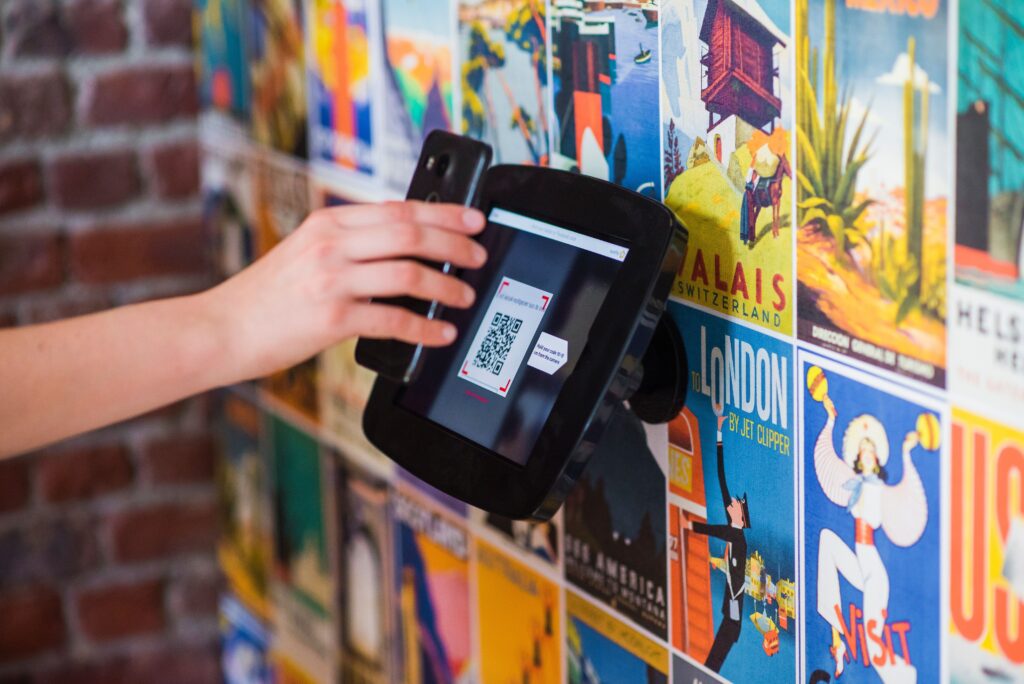
A printed piece can direct someone to a website through a QR code. Direct mail can support an email campaign. Event materials can encourage people to continue the conversation online.
Print can get someone’s attention, while digital gives them an easy way to respond.
Used properly, the two work together rather than against each other.
Print can be personal too
Print has moved on from sending exactly the same thing to thousands of people.
Variable data printing means names, messages, images and offers can all be changed depending on who is receiving the piece.
That makes it possible to combine the impact of something physical with the relevance people now expect from digital marketing.
It sticks around
One of the biggest differences between print and digital is how long it lasts.
An email can disappear down an inbox within hours. A social post may be forgotten almost immediately.
A brochure can sit on a desk. A magazine can be picked up several times. A catalogue might be passed around an office or kept for reference.
That gives print more opportunities to be seen without having to pay for another impression every time.
Print can be produced responsibly
Sustainability is an important consideration, and rightly so.
But sustainable print isn’t simply about avoiding paper.
Choosing responsibly sourced materials, working with FSC® certified suppliers, reducing waste, ordering sensible quantities and using initiatives such as Carbon Balanced Paper can all help reduce the impact of a campaign.
The aim should be to print better, not simply print more.
Some things just work better in print
There are plenty of situations where physical communication still makes sense.
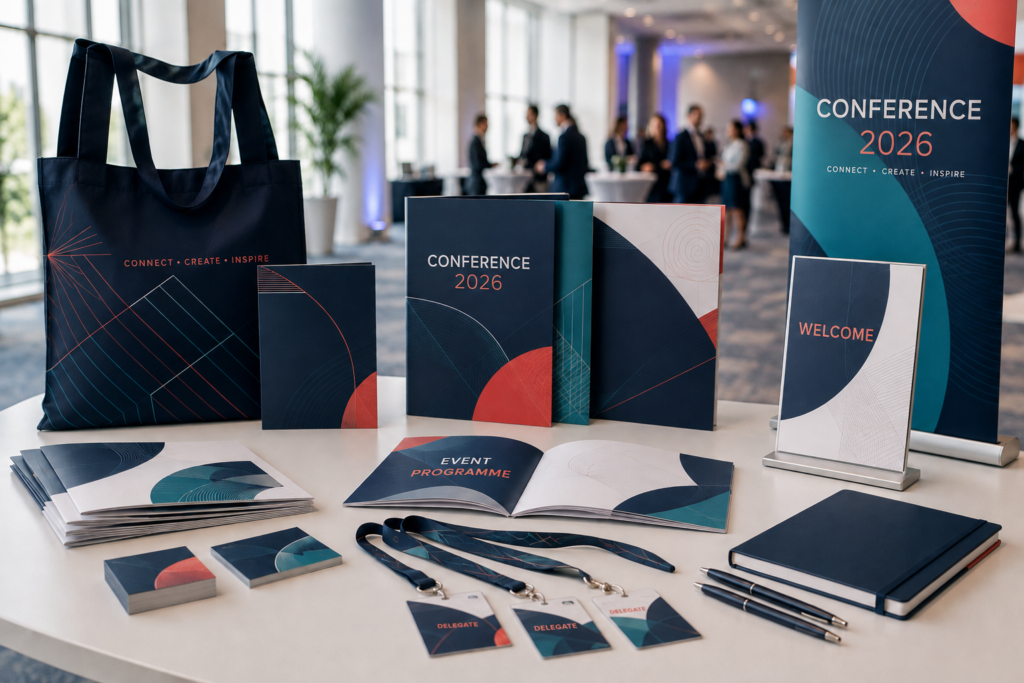
Packaging, signage, menus, event programmes, brochures, direct mail and exhibition graphics all have a job to do in the real world.
And sometimes people simply prefer having something in front of them rather than another link to click or screen to look at.
Print has changed, not disappeared
Print isn’t trying to replace digital.
Its role has changed.
Today it can be shorter run, more targeted, more personalised and much more closely connected to digital campaigns than it was in the past.
And when we’re all exposed to hundreds of digital messages every day, something physical can be a welcome change.
At THINK, we believe print works best when there’s a clear reason for producing it. It should look good, feel right for the brand and, most importantly, do its job.
Because good print still gets noticed.
Comments are closed.